

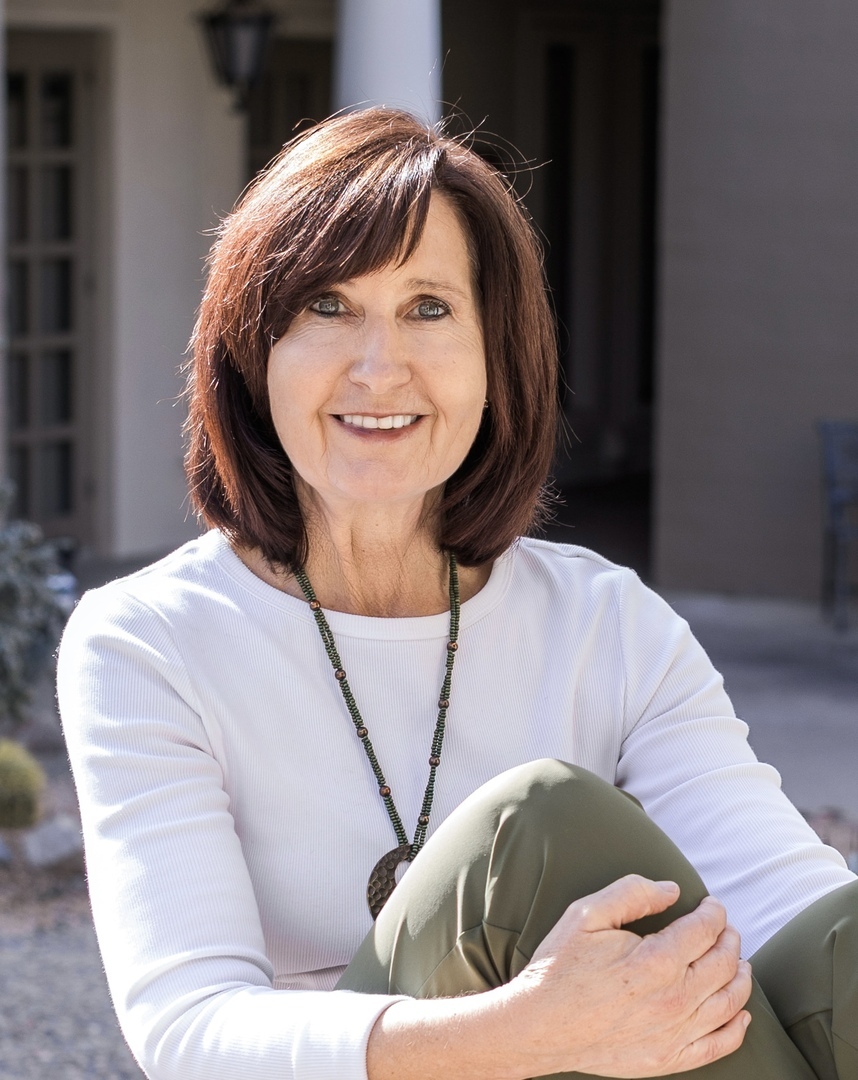
Women are not little men!!


Carefree, AZ – August 20, 2026 – Olivia Sage, (https://oliviasagetherapies.com/), today announced the second in a series of free events focused on perimenopausal, menopausal and post-menopausal women. This event explores why women’s bodies require different care due to different needs. Special guest, pelvic floor therapist, Shauna Epperson, PT, DPT (www.eppersonpt.com) will share why pelvic floor therapy is an essential and often overlooked part of women’s health and self-care. The event is on Saturday, September 12, 2026, at the Desert Foothills Library (38443 N School House Rd, Cave Creek, AZ 85331) from 11am to 12:15pm. Reservations are required. To reserve a seat visit https://tinyurl.com/44dxvx5w.
Menopause is a transition not a disease, and midlife confronts women with a multitude of symptoms unique to their physiology. Women and members of the medical community need to better understand the context in which symptoms exist to receive and provide better care. It is equally important to re-shape the narrative of peri-and menopause so women can navigate this portion of life with confidence. Women have historically been excluded in medical research, unseen and dismissed within the medical community due to lack of education. It is very important women are introduced to their mid-life body and educated on how to best advocate for their health and wellbeing - not just for them, but for family, community and society.
“This topic is important to me because I have seen too many women come through my practice, discouraged, angry and defeated, on multiple medications that only take into consideration individual symptoms. It’s not an overstatement to say the menopausal transition may be one of the most pivotal periods of a woman’s life. A woman’s body is going through immense hormonal changes as it winds down its reproductive years and boy, do these changes make themselves known,” said Olivia Sage, Lac, Dip. Ac, MS. “Understanding your changing body, empowering yourself to ask questions and to advocate for the care you deserve is core to becoming a confident partner in your ongoing healthcare. Rather than have the same conversations one-on-one in the treatment room, it is important to me to reach a wider audience, provide insights, resources and connection.”
Olivia continued, “I am one of the "midlife women", have experienced much of the same, but also learned how to navigate this season of life with confidence and grace. It is my vision to be a source and resource for helping women heal - in my practice, in my community and beyond!”
Women have historically been excluded and underrepresented in research. NIH Revitalization Act of 1993 required women to be included in NIH-supported clinical research and required trials to be designed so researchers could examine whether outcomes were different between women and men. (NCBI. Revitalization act of 1993 Public Law 103-43). Approximately 700,000 to 800,000 women in Arizona are estimated to be in the age range (roughly ages 40 to 60) where they are actively navigating or affected by perimenopause, menopause, or post-menopause. This includes major metropolitan hubs like the Phoenix area, which accounts for roughly 350,000 women aged 40 to 50 alone. Surveys spanning the region show that roughly nine out of 10 midlife women experience disruptive symptoms like sleep changes, hot flashes, or mood shifts, depression and anxiety, irritability and rage, painful sex and low desire. Despite high symptom prevalence, studies note that only about 7.5% to 25% of women receive specific medical interventions or have the knowledge to be able to effectively identify and discuss the symptoms with healthcare providers.
The National Academies of Sciences, Engineering and Medicine. Advancing Research on Chronic Conditions in Women 2024 addresses the historic notion the male presentation becomes the assumed "normal". Substantial knowledge gaps still exist around conditions that specifically affect women, predominantly affect women, or affect women differently. These gaps interfere with diagnosis, treatment and prevention for woman. Heart disease looks different in women. Women are more likely to die of a heart attack due to late or misdiagnosis because symptoms are different from those in a man. (Nhlbi.nih.gov).
Event Links
Website: https://go.evvnt.com/3789386-0
